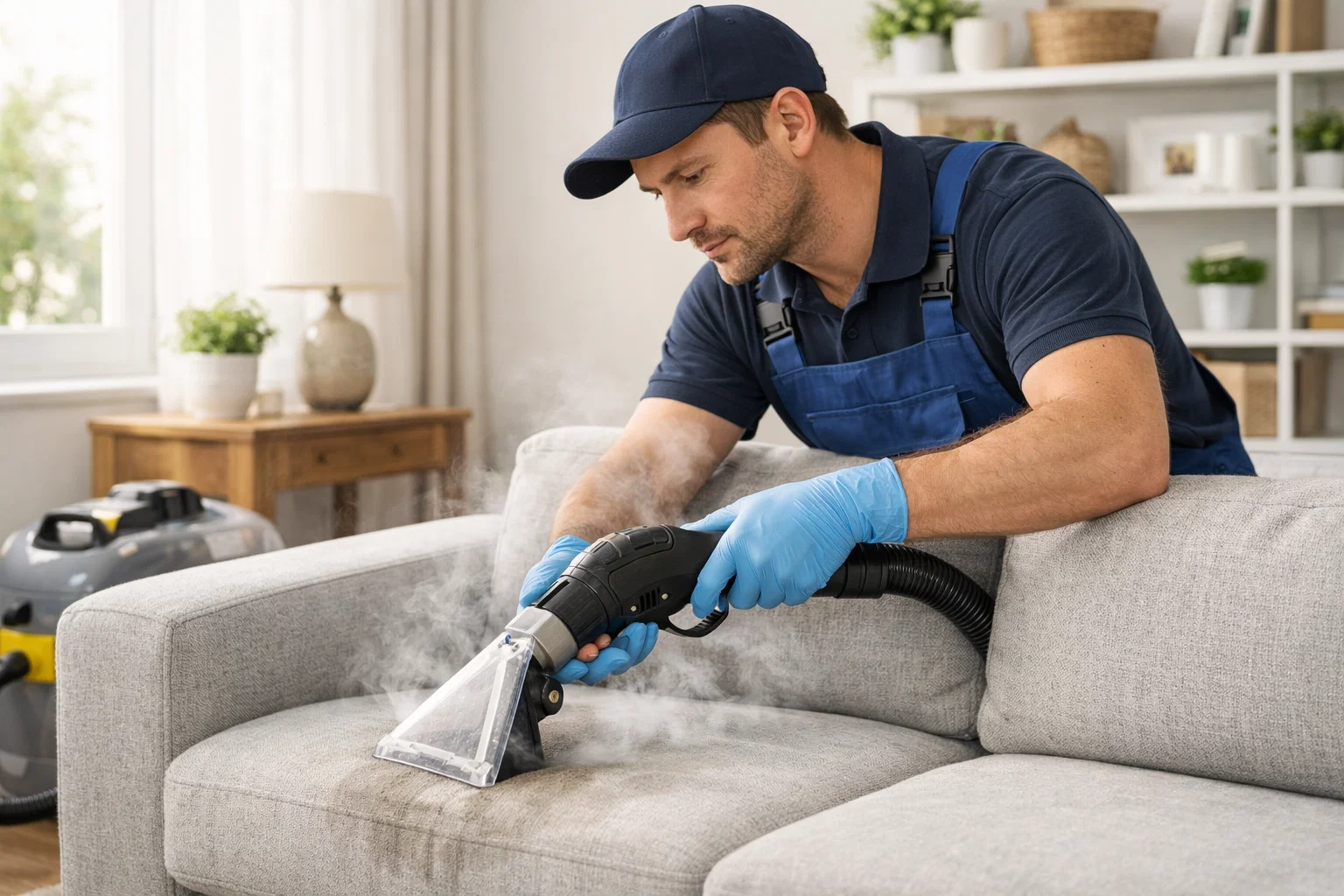
If you don’t know what is upholstery cleaning, it involves thorough cleaning of your fabric-covered furniture. Unlike surface cleaning, upholstery cleaning targets the cleaning of inner and outer surfaces to restore the appearance and comfort of your beloved couch. Steam cleaning, shampoo cleaning and solvent-based cleaning are the common methods being used. It ensures odor and stain removal, improves your health and extends the life of your furniture. Regular vacuuming, blotting spills immediately and spot cleaning prevent premature damage.
Revitalize Your Furniture: A Homeowner’s Guide to Upholstery Cleaning
Do you know that professional upholstery cleaning can impart new life to your beloved couch? If you are asking what is upholstery cleaning, it involves a thorough top-to-bottom vacuuming, followed by a specialized fabric-safe treatment solution. The astonishing results will make your furniture and home healthier and sparkling. An untidy sofa can be a health hazard. Clean furniture removes allergens and bacteria and avoids costly premature replacement.
| Did you know? The Environmental Protection Agency has found that the indoor pollutants can be 2 to 5 times higher than outdoor levels. |
Here is your complete guide to upholstery cleaning to ensure a sparkling home environment.
What is Upholstery Cleaning?
Upholstery cleaning is a specialized process that involves the thorough cleaning of your sofas, armchairs, mattresses and car seats. Instead of targeting surface stains, it ensures the removal of deep-seated oils, allergens, bacteria and accumulated dirt, using specialized treatment methods.
- Regular professional cleaning can extend your furniture’s life by more than 50%.
- Common Methods of Upholstery Cleaning
Steam Cleaning
It involves the use of hot water and pressure to loosen the accumulated dirt and stubborn stains, which are then extracted using a vacuum cleaner. This effective method neutralizes odors as well without the use of chemicals.
Shampoo Cleaning
Specialized shampoos are used to break down the stains and soiled spots. These methods require careful treatment to prevent overwetting and allow for more drying time to prevent mold growth.
Encapsulation Method
It is used primarily for office furniture as it dries quickly and leaves no residue. This low-maintenance method applies a thick layer of foam on furniture to encapsulate dirt and then vacuuming it off after a while.
Solvent-Based Cleaning
For sensitive fabrics, this method involves applying a chemical solvent without water, agitating it gently and then vacuuming it off. It does not require drying time and is common in commercial settings.
| Fast Fact Driven by increased awareness of hygiene and indoor air quality after the COVID-19 pandemic, the upholstery cleaning market is expected to reach $120.8 billion by 2035. |
Benefits of Upholstery Cleaning
- Upholstery cleaning removes allergens, dust mites and bacteria, which thrive in dark, moist environments.
- You reduce the risks of mold and mildew growth and exposure with regular upholstery cleaning.
- Professional upholstery cleaning removes stains and odors, resulting in fresh-smelling furniture and a home.
- Your fabric’s dull appearance can be restored by upholstery cleaning, and colors and textures are preserved.
- Regular upholstery cleaning removes the accumulated dust and body oils, which act as abrasives and reduce your furniture’s life.
| Important fact Textile preservation experts recommend regular cleaning of your upholstery as unmaintained fabrics can lose more than 40% their structural strength within the first three years. |
Tips To Maintain Your Furniture
- Immediately blot the spills using a soft, clean and absorbent cloth. Do not rub to prevent stains from setting.
- Vacuum regularly to prevent pet hair and dust from setting in the fabric fibers.
- Always check the manufacturer’s label to ensure your cleaning method does not damage the fabric.
- Spot test your cleaning solution first on a hidden area to ensure it does not discolor or fade the fabric.
- Place your furniture away from windows to protect them from sun-induced fading.
Conclusion
Upholstery cleaning is an effective and gentle way to maintain the appearance and health of your furniture. By removing stains, odors and allergens, upholstery cleaning ensures a healthier home environment and extends the life of your furniture. Schedule professional upholstery cleaning services regularly to prevent damage that can happen with improper DIY cleaning methods.
FAQs
What are the benefits of upholstery cleaning?
Improved health, better indoor air quality, long-lasting furniture and fresh-looking aesthetic appeal are the key benefits of regular upholstery cleaning.
Does upholstery cleaning only remove stains?
No, upholstery cleaning targets the complete cleanup, not just the surface stains. Through staining assessment and treatment, vacuuming and deep cleaning, it restores a furniture’s appearance and comfort.
How long does professional upholstery cleaning take?
Professional upholstery cleaning services can take 1 to 2 hours, depending on furniture size and its condition. Drying time spans over 4 to 6 hours based on ventilation and weather.